
eBook How to be PCI DSS Compliant
A Practical Guide to Securing Cardholder Data and Achieving Compliance
Protecting payment card information is a critical responsibility for every organization that processes, stores, or transmits cardholder data. The Payment Card Industry Data Security Standard (PCI DSS) establishes a comprehensive set of security requirements designed to reduce the risk of data breaches, payment fraud, and unauthorized access to sensitive payment information.
This practical eBook explains the key principles of PCI DSS and provides actionable guidance to help organizations implement the security controls necessary to achieve and maintain compliance.
Whether you’re an IT manager, cybersecurity professional, compliance officer, auditor, security administrator, or business leader, this guide will help you better understand requirements and strengthen your organization’s overall security posture.
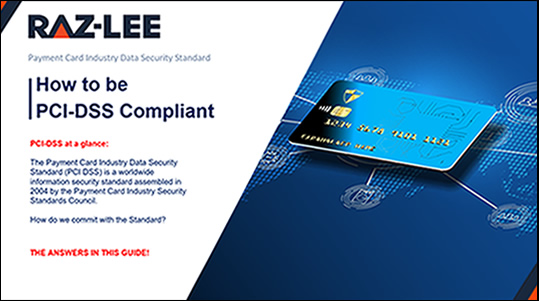
The Payment Card Industry Data Security Standard is a worldwide information security standard assembled in 2004 by the Payment Card Industry Security Standards Council.
How do we commit with the Standard?
Download This eBook
What You’ll Learn
Inside this eBook, you’ll discover:
An overview of PCI DSS and why it is essential for protecting payment card data.
Which organizations are required to comply with PCI DSS.
The twelve core PCI DSS requirements and their security objectives.
Best practices for protecting cardholder data throughout its lifecycle.
Access control, authentication, and privileged user management.
Security auditing, continuous monitoring, and log management.
File integrity monitoring and change detection.
Encryption strategies for protecting sensitive payment information.
Risk assessment, vulnerability management, and incident response.
Practical recommendations for achieving PCI DSS compliance in IBM i environments.
Why This eBook Matters
PCI DSS compliance is more than a regulatory obligation—it’s a critical component of protecting customer trust and reducing cyber risk. Organizations must continuously monitor their systems, restrict access to sensitive information, secure payment environments, and demonstrate that effective security controls are operating at all times.
Implementing technologies such as security auditing, multi-factor authentication, privileged access management, encryption, file integrity monitoring, ransomware protection, and real-time security monitoring can significantly simplify compliance while improving the resilience of your IT infrastructure.
For organizations running business-critical applications on IBM i, native security solutions provide the visibility, control, and automation needed to help meet PCI DSS requirements while minimizing operational complexity and protecting valuable business data.